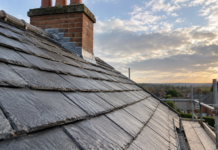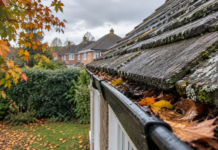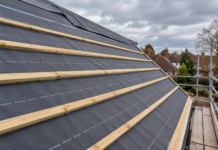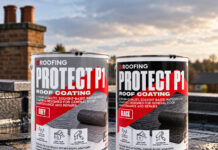

As temperatures drop, roofing work can become more challenging. Cold weather, rain and frost can affect how certain roofing materials perform and how easily they can be installed.
Whether you’re carrying out repairs or working on a new roof, here are a few things to consider during winter.
1. Check the Weather Before Starting
Rain, frost and strong winds can make roofing work difficult and potentially unsafe.
Always check the forecast before starting a job. Avoid working on icy or slippery roofs, and make sure conditions are suitable for the materials you’re using.
2. Check Sealant Application Temperatures
Some roofing sealants and adhesives have minimum application temperatures.
Cold conditions can affect curing times, adhesion and overall performance.
Always check the manufacturer’s instructions before applying products in low temperatures.
3. Be Careful with Waterproof Coatings
Some waterproof coatings are designed for use in damp conditions, while others require a completely dry surface.
Always check the manufacturer’s recommended application temperature, surface preparation requirements and drying times before starting.
4. Store Roofing Materials Correctly
Store roofing materials according to the manufacturer’s recommendations, as certain products can be affected by moisture, frost or prolonged exposure to low temperatures.
Proper storage helps keep materials in suitable condition before installation.
5. Don’t Rush Winter Roof Repairs
Shorter daylight hours and unpredictable weather can make roofing work more difficult.
Plan jobs around suitable weather conditions and avoid applying products when temperatures or surface conditions fall outside the manufacturer’s recommendations.
Shop Winter Roofing Essentials at eRoofing
From roofing sealants and adhesives to waterproof coatings and roofing accessories, eRoofing stocks a range of products for roof repairs and maintenance.