Lead Flashing
Shop lead flashing for roofing and weathering applications, with milled and cast lead available in a wide range of codes, widths and roll lengths. Choose from Code 3 to Code 8 roofing lead, plus compatible fixings, sealants, patination oil and leadwork accessories.
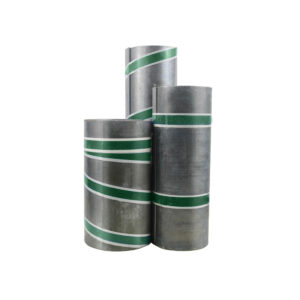
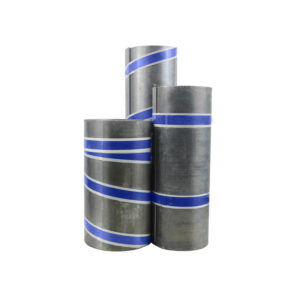
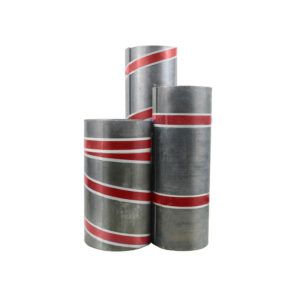
Best Selling Lead Flashing

Frequently Asked Questions (5)
Lead codes define the weight the thickness of the lead sheet. The number in the code relates to the weight in lbs, per square foot of lead.
It is essential to use the correct lead code when ordering lead as different jobs need different requirements.
We highly recommend using disposable gloves when handling lead because it is not good for your body. It is worth noting lead can also get into your body through the airways and through swallowing. Lead is known for causing various health issues including headaches, tiredness, and constipation — to name a few. Before handling any lead, please make sure it doesn’t touch any surfaces that may be used for anything else. Moreover, wear a pair of gloves and make sure to wash your hands thoroughly after handling any lead.
As a result of its excellent malleability and low melting point, lead has been used in roof construction for centuries. It can be moulded in any shape, is highly resistant to corrosion, and is non-combustible, making it ideal for all roofing applications. Use the lead weights chart below to understand better what you may need for your project.
Patination oil is used on newly installed leadwork to help protect the surface during the initial stages of exposure and reduce staining from lead carbonate run-off. It should be applied in accordance with the product and lead manufacturer's guidance. eRoofing stocks patination oils alongside its leadwork range.
The required width depends on the roofing detail, including the necessary laps, upstands and coverage. Different applications therefore require different widths. eRoofing stocks a wide selection of roll widths, but you should determine the dimensions required for the complete detail before ordering rather than measuring only the visible finished area.
Lead Flashing
Choosing the Right Lead Flashing
Lead sheet is widely used for weathering roof junctions and details where a durable, workable material is required. Common applications include chimneys, abutments, soakers, valleys and other roof details.
The correct product depends on the application, lead code and dimensions required. Start with the specification for the job before choosing a roll.
Which Lead Code Do I Need?
Lead codes identify different thicknesses and weights of lead sheet. As the code increases, the material becomes thicker and heavier.
Different codes are suited to different applications. For example, Code 3 is commonly used for soakers, while Code 4 is widely used for flashings and other roofing details. Higher codes can be specified for applications requiring thicker sheet.
Always select the code according to the intended detail and relevant installation guidance rather than assuming that thicker lead is automatically better.
Milled or Cast Lead?
eRoofing stocks both milled lead and cast lead in a wide range of sizes.
Milled lead is manufactured by rolling lead sheet to the required thickness and is widely used for roofing and weathering applications.
Cast lead is produced using a different manufacturing process and is also available across a range of codes and dimensions.
If a project specification requires a particular type, code or standard, check these requirements before ordering.
Choosing the Correct Width and Length
Once you know the required code, choose the width and roll length needed for the detail.
eRoofing stocks numerous width options alongside 3m and 6m rolls, making it easier to select material for anything from smaller weathering details to larger areas.
The required width depends on the application and the dimensions of the detail being formed. Allow for the laps, upstands and dressing required by the installation rather than choosing purely from the visible finished width.
Lead for Chimneys, Abutments and Soakers
Roofing lead can be formed for a variety of weathering details.
Soakers are individual pieces installed with tiles or slates at an abutment.
Cover flashings help weather the junction between the roof covering and an adjoining wall or structure.
Lead sheet is also commonly worked around chimneys and other roof penetrations.
The required code, width and detailing will depend on the application and roof construction.
Lead Alternatives
For projects where traditional lead is not required, eRoofing also stocks a separate range of lead-free flashing alternatives.
These products have their own materials, installation methods and specifications, so they should not automatically be treated as direct substitutes for every traditional lead application.
Check the individual manufacturer’s guidance before selecting an alternative.
Accessories for Leadwork
A leadwork installation may also require compatible accessories for forming, fixing, sealing and protecting the material.
Our range includes lead fixings, lead sealants, patination oil, lead dressers and other specialist accessories.
Choosing the correct accessories at the same time as your lead can help ensure you have everything required for the job.
What Should I Check Before Ordering?
Before buying, check:
- Required lead code
- Milled or cast specification
- Required width
- Roll length
- Intended application
- Installation and fixing requirements
- Accessories required
- Quantity and weight
Lead rolls can become extremely heavy as the code, width and length increase. Check the individual product weight and make sure suitable handling arrangements are available for larger rolls.
